
Countless people drag themselves through their days, gulping coffee and wondering why they feel exhausted despite getting decent sleep. The real problem often isn’t their lifestyle or stress levels — it’s their gut.
Traditional medicine tends to treat tiredness and digestive issues as separate problems. A functional medical doctor takes a different approach, recognizing that gut health and energy levels are deeply connected.
When someone’s digestive system isn’t working properly, their whole body suffers.
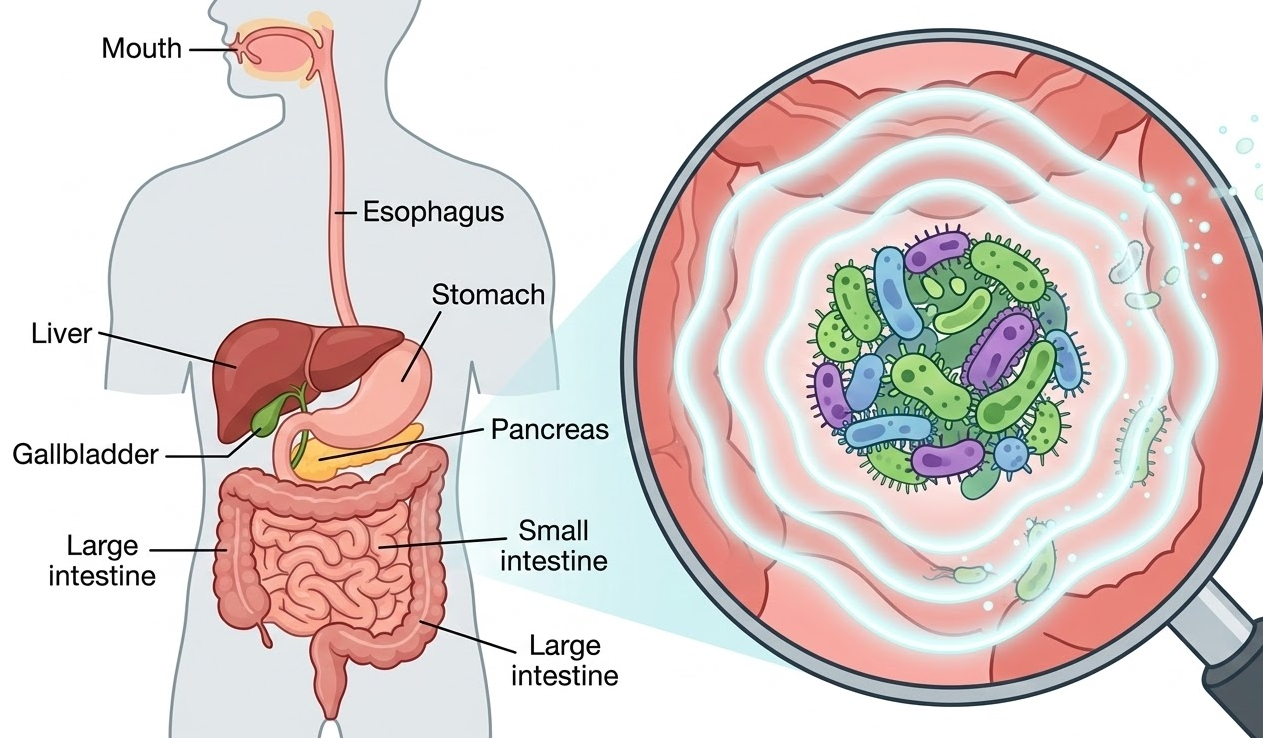
The digestive tract houses roughly 70% of the immune system. It also produces neurotransmitters that directly influence mood and energy. When this system breaks down, the effects ripple throughout the entire body.
How Gut Problems Steal Energy
The small intestine acts as the body’s main nutrient absorption center. When it becomes inflamed or overrun with harmful bacteria, the body struggles to extract essential vitamins and minerals from food. Without proper nutrition, energy production plummets.
Modern lifestyle factors make these problems worse. Processed foods loaded with preservatives and artificial ingredients disrupt the natural balance of gut bacteria.
Chronic stress raises cortisol levels, which damages the intestinal lining. Antibiotics, while sometimes necessary, wipe out beneficial bacteria along with harmful ones.
Environmental toxins add another layer of difficulty. Pesticides on produce, chemicals in tap water, and synthetic compounds in household products accumulate in the body over time. The liver works overtime trying to process these toxins, using up energy that should go toward daily activities.
When the gut lining becomes damaged — a condition often called leaky gut — partially digested food particles and toxins can slip into the bloodstream. The immune system treats these as invaders, creating inflammation that drains energy reserves even further.
Many people don’t realize their fatigue stems from gut dysfunction. They experience brain fog, mood swings, frequent illnesses, and skin problems without making the connection to their digestive health.
A Proven 4-Step Recovery Method
Step 1: Remove Harmful Substances
The first phase involves identifying and eliminating anything that triggers intestinal inflammation. This step requires detective work since trigger substances vary widely between individuals.
Common culprits include gluten, dairy, sugar, and highly processed foods. However, some people react to seemingly healthy options like eggs, nuts, or nightshade vegetables. Food sensitivity testing can help identify personal triggers, though elimination diets sometimes provide clearer answers.
Environmental toxin reduction becomes equally important during this phase:
Choose organic produce when budget allows, especially for heavily pesticide-treated crops
Replace plastic food containers with glass or stainless steel alternatives
Switch to natural cleaning products free of harsh chemicals
Install water filters to remove chlorine and other contaminants
Read ingredient labels carefully and avoid artificial additives
Hidden infections also require attention. Bacterial overgrowth, parasites, or yeast infections can persist for years without obvious symptoms while continuously draining energy and triggering immune responses.
Step 2: Restore Digestive Function
Years of poor eating habits, chronic stress, or medication use can severely impair the body’s digestive capacity. Stomach acid production often declines with age, making protein digestion difficult. Pancreatic enzyme output may decrease, preventing proper breakdown of fats and carbohydrates.
Digestive enzyme supplements help restore proper food breakdown. Different enzymes target specific nutrients — proteases for proteins, lipases for fats, and amylases for carbohydrates. Comprehensive enzyme formulas typically work best for most people.
Hydrochloric acid supplementation may benefit those with low stomach acid production. Betaine HCL taken with meals can help restore proper acidity levels needed for protein digestion and mineral absorption.
Nutrient deficiencies commonly develop when digestive function remains compromised. B vitamins, which play crucial roles in energy production, often become depleted first. Vitamin D, magnesium, iron, and zinc deficiencies also frequently occur with poor gut health.
Rather than guessing about nutritional needs, comprehensive testing reveals specific deficiencies. Blood tests can identify exactly which nutrients require supplementation for optimal energy production.
Step 3: Rebuild Beneficial Bacteria
The human gut contains trillions of microorganisms that influence everything from immune function to mood regulation. When harmful bacteria outnumber beneficial ones, health problems multiply rapidly.
Probiotic supplementation helps restore bacterial balance, but strain selection matters enormously. Lactobacillus species excel at maintaining small intestine health and preventing harmful bacterial overgrowth. Bifidobacterium strains support immune function and help synthesize important B vitamins.
Some individuals respond better to soil-based probiotics, which survive stomach acid more effectively and establish themselves in the lower digestive tract. These hardy organisms often work well for people who haven’t responded to traditional probiotic supplements.
Prebiotic foods provide fuel for beneficial bacteria, helping them establish permanent colonies in the gut. Jerusalem artichokes, garlic, onions, and asparagus contain prebiotic fiber that feeds good bacteria.
However, people with severely compromised gut health should introduce these foods gradually to avoid uncomfortable gas and bloating.
Fermented foods offer another avenue for introducing beneficial microorganisms. Sauerkraut, kimchi, kefir, and kombucha contain live cultures plus beneficial acids and enzymes produced during fermentation.
Quality matters significantly — refrigerated, unpasteurized versions provide the most benefit.

Step 4: Repair and Maintain
The final phase focuses on healing intestinal damage and establishing sustainable practices for long-term gut health. This step often determines whether improvements last or gradually fade over time.
Specific nutrients support intestinal barrier repair. L-glutamine serves as the primary fuel source for intestinal cells and helps rebuild damaged tissue. Zinc carnosine has shown particular effectiveness in healing stomach and intestinal ulcers. Collagen peptides provide building blocks for connective tissue throughout the digestive tract.
Omega-3 fatty acids from fish oil help reduce inflammation and support healthy cell membrane function. These beneficial fats also help the body absorb fat-soluble vitamins more effectively.
Stress management becomes particularly important during the repair phase. Chronic stress literally damages the intestinal lining through elevated cortisol production. Effective stress reduction techniques include:
Regular physical activity, even moderate walking
Adequate sleep duration and quality
Meditation or deep breathing practices
Time spent in natural environments
Engaging in genuinely enjoyable activities
Long-term dietary changes help maintain improvements achieved through earlier steps. Emphasizing whole, unprocessed foods while minimizing refined sugars and artificial ingredients supports ongoing gut health. Many people find success with Mediterranean-style eating patterns that include plenty of vegetables, healthy fats, and moderate amounts of whole grains.
Timeline and Expectations
Most people notice initial energy improvements within two to four weeks of beginning a comprehensive gut healing protocol. However, complete restoration of optimal digestive function typically requires several months of consistent effort.
Some individuals experience better mood and mental clarity before their digestive symptoms fully resolve. This reflects the gut-brain connection — as inflammation decreases, brain function often improves rapidly.
The healing timeline varies considerably based on individual factors. People with autoimmune conditions, chronic infections, or significant toxic burdens usually need longer recovery periods and ongoing professional support.
Professional Guidance Benefits
While general gut health principles apply broadly, individual implementation requires careful consideration of personal health history and current symptoms.
A functional medical doctor brings valuable expertise in diagnostic testing, result interpretation, and personalized protocol development.
Self-treatment attempts often fail because they address surface symptoms rather than underlying root causes. What provides dramatic relief for one person may worsen symptoms in another, particularly when bacterial overgrowth or specific food sensitivities complicate the picture.
Professional monitoring also helps prevent potential complications from supplement interactions or inappropriate treatments for specific health conditions. Proper testing ensures interventions target actual problems rather than assumed issues.
Moving Forward
Gut health represents a fundamental aspect of overall wellness that influences energy production, immune function, and mental clarity. The four-step framework provides a systematic approach to addressing digestive dysfunction and restoring natural vitality.
Success requires patience and consistency, as gut healing occurs gradually over months rather than weeks. However, the sustained improvements in energy levels and quality of life make this investment worthwhile for most people who commit fully to the process.









Write a comment ...